

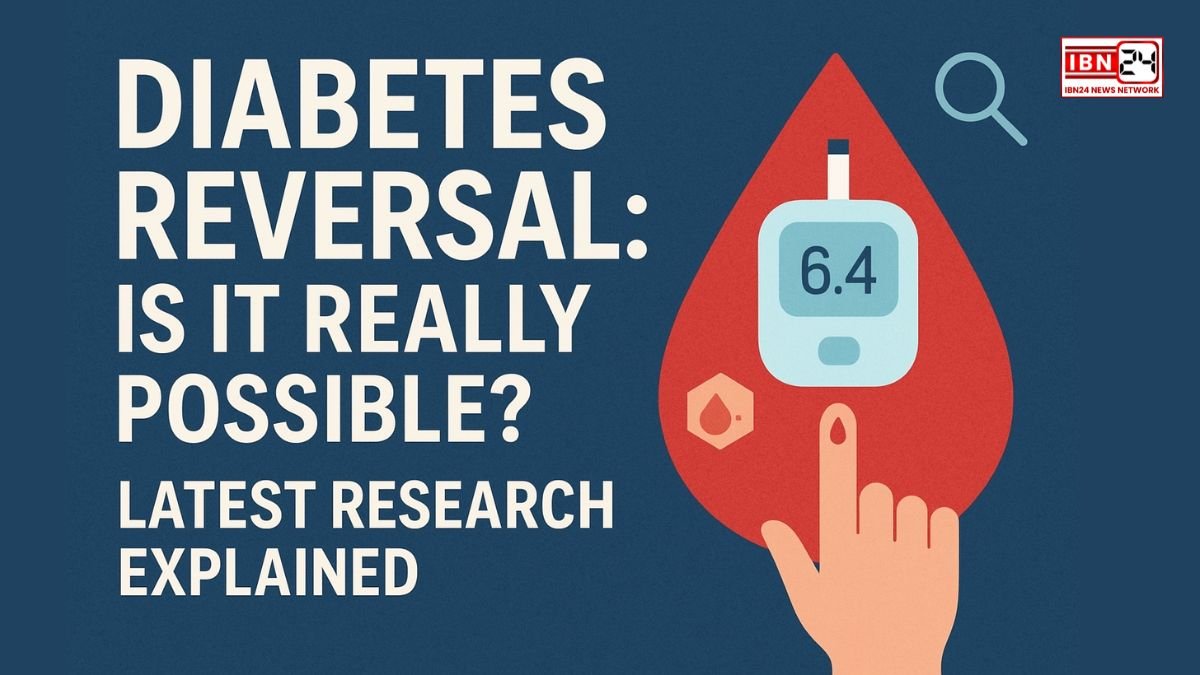
Switching the paradigm of type 2 diabetes to reversal or remission has shifted off the wish list to evidence-based possibility, with significant conditions. Recent experiments and real-life studies indicate that a great number of individuals could restore blood sugar levels to non-diabetic levels in months and years without glucose-reducing medication. This does not imply that everyone gets rid of the disease, however. This is an unambiguous and current view of what the science is saying and how this relates to patients.
The meaning of remission to the scientists.
There was a more pragmatic definition about what constitutes remission: it is the restoration of HbA1c (long-term blood glucose) levels to less than the diabetes level (typically <6.5% or 48 mmol/mol) which is maintained without the use of glucose-lowering drugs over months. This provides a quantifiable objective of trials and clinics as opposed to empty assertions.
Weight loss is effective – occasionally miraculous.
The most evident route to remission is massive, protracted weight loss. The Diabetes Remission Clinical Trial (DiRECT) involved an intensive low-calorie diet and weight-management support in an organized manner and reported a high remission rate which continued to many of the participants over a few years provided weight loss was maintained. The point: in most patients with newly-diagnosed type 2 diabetes, normal glucose control may be achieved by simply losing a sufficient amount of weight.
Bariatric/metabolic surgery: the most efficient path of the eligible patients.
In cases where surgery is indicated (typically in people who are severely obese), metabolic/bariatric operations have the highest and longest-lasting rates of remission that have been reported in the literature: many studies report large percentages of patients in remission, with years of better metabolic health. Surgery also minimizes cardiovascular and other obesity threats, although it has surgical risks and life long follow up.
The appearance of new drugs is transforming the situation – but not the necessity of weight control.
Newer and stronger types of medication (GLP-1 receptor agonists such as semaglutide and dual agonists such as tirzepatide) will induce unfamiliar weight loss and huge changes in blood sugar. These medications have helped put into remission a few study subjects, particularly when used together with lifestyle intervention and stop progression of prediabetes in individuals at high risk. Significant limitation: the majority of drug-induced improvements need continuation with the drug; the problem is that in case of weight regainment after quitting the drug, the results in glucose control deteriorate.
Mass-scale low-calorie programs – evidence that organized attention is feasible.
Real-world remission rates of one-third by one year are seen in the participants of large health-system programs (such as the NHS England soup-and-shake replacement 800 kcal replacement program), and the weight loss of 15-16 kg on average. These findings indicate that extensive yet temporary low-calorie training can be scaled and assist considerable sums of people in entering remission provided that they can be appropriately aided to prevent weight gain.
Who has the highest chances of being remitted?
Such predictors as shorter duration of diabetes (years since diagnosis), larger initial weight loss, younger age, and increased baseline insulin secretion are associated with success. Individuals who have long-standing diabetes and individuals with severe loss of beta-cells have reduced chances of remission. At that is why early intensive intervention is important.
Practical lesson learned – hope and planning.
Yes, type 2 diabetes remission exists and becomes more and more viable in case of this treatment when it is focused on weight loss at the very beginning of the disease. They include programs based on low-calorie, metabolic surgery, and useful weight-loss medications.

What should patients do?
Remission as a clinical goal should be discussed with your care team in case you or a loved one has type 2 diabetes. Early, guided weight-loss schemes, taking into consideration GLP-1 or dual-agonist treatment (where suitable) and screening metabolic surgery (where eligible) are all acceptable alternatives given personal health, risks and preferences. Any approach must focus on a long-term assistance in order to sustain weight loss and observe complications.
Bottom line
Diabetes remission is no longer a mythical phenomenon but a realistic clinical outcome of many individuals especially through early weight loss or metabolic therapies that are intensive. Nonetheless it is not a miracle, but a success story that is managed as it requires long term changes, medical supervision, and even surgery or long-lasting medication. The latest trials and real-life programs provide real hope – and a clear roadmap – to the clinicians and patients wishing remission.
Read More: Best Health Insurance Plans in India 2025: Top 5 Policies You Must Compare Before Buying
Youtube: https://youtube.com/@IBN24NewsNetwork?si=ofbILODmUt20-zC3
Instagram: https://www.instagram.com/ibn24newsnetwork
Facebook: https://www.facebook.com/ibn24newsnetwork/
Twitter: https://x.com/IBN24Network?t=K1A8JK8CUwcgllMRYQNPOw&s=08