


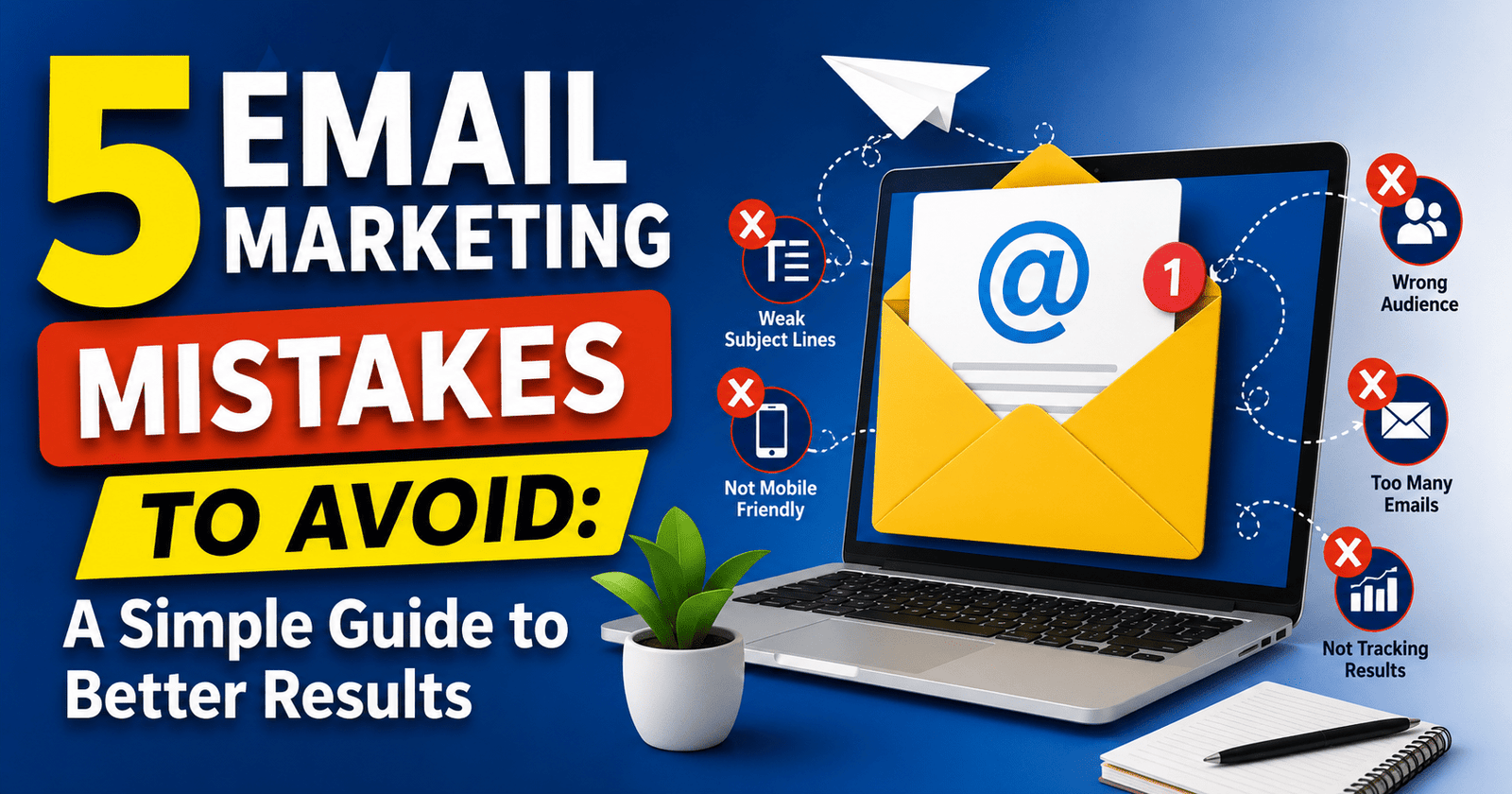
5 Email Marketing Mistakes to Avoid : Email marketing remains one of the most effective ways to connect with customers, build trust, and increase sales. While social media platforms and online advertising continue to grow, email gives businesses a direct way to communicate with their audience. However, many businesses fail to get good results because they make simple mistakes that reduce open rates, clicks, and conversions.
Written by Gurleen Kaur • Published on : 28 July 2026
IBN24 NEWS NETWORK : If your email campaigns are not performing as expected, you may be making one or more common email marketing mistakes. By avoiding these errors, you can improve customer engagement and make every email more valuable.
1. Sending Emails Without Knowing Your Audience
One of the biggest mistakes in email marketing is sending the same email to everyone on your list. Every customer has different interests, needs, and buying behavior. When your emails are too general, people are less likely to open them or take action.
Understanding your audience helps you create messages that feel more personal. You can divide your email list based on customer interests, purchase history, location, or engagement level. This allows you to send relevant content that matches what your readers actually want.
For example, a clothing store can send different emails to customers interested in men’s fashion, women’s fashion, or seasonal discounts. Personalized emails often receive better open rates because readers feel the content is meant for them.
2. Using Weak or Misleading Subject Lines
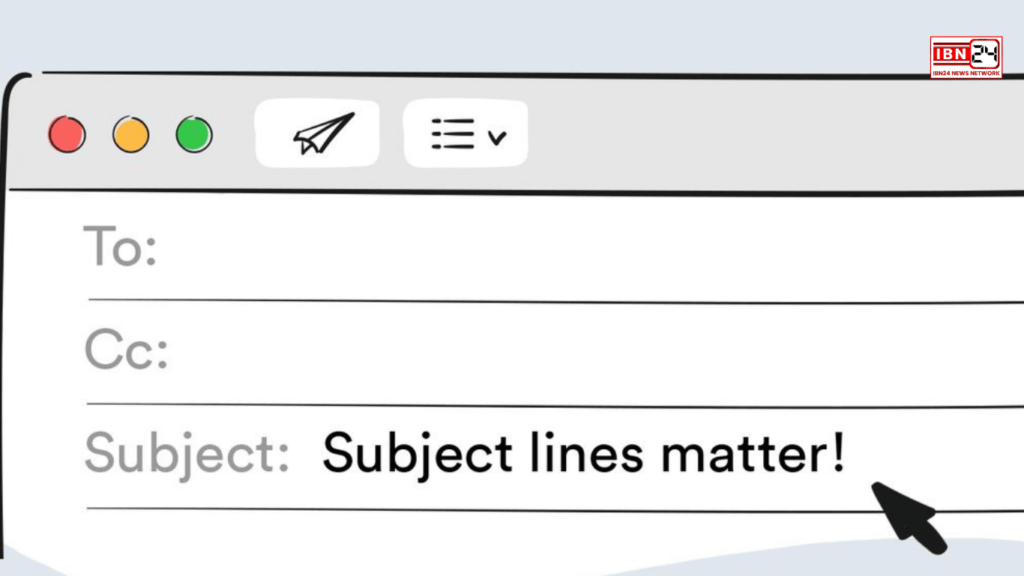
Your subject line is the first thing people notice in their inbox. If it does not grab attention, your email may never be opened. On the other hand, using misleading subject lines just to increase opens can damage your credibility and make subscribers lose trust.
A good subject line should be clear, interesting, and honest. It should give readers a reason to open the email without making false promises. Short and meaningful subject lines usually perform better than long and confusing ones.
Instead of writing something vague like “Don’t Miss This,” try using a subject line that clearly explains the benefit, such as “Save 30% on Your Favorite Products This Weekend.” When readers know what to expect, they are more likely to engage with your email.
3. Sending Too Many or Too Few Emails
Finding the right email frequency is important. Sending emails every day can annoy subscribers and increase unsubscribe rates. At the same time, sending emails only once every few months can make people forget about your business.
The best approach is to maintain a consistent schedule that matches your audience’s expectations. Whether you send one email every week or two emails each month, consistency helps build trust.
Pay attention to your email analytics. If you notice rising unsubscribe rates or lower open rates, it may be a sign that you are sending too many emails. On the other hand, if customer engagement is dropping because they rarely hear from you, increasing your email frequency slightly may help.
4. Ignoring Mobile-Friendly Design

Today, a large percentage of people check their emails on smartphones and tablets. If your email looks good on a computer but is difficult to read on a mobile device, many readers will leave without reading the message.
A mobile-friendly email should have a clean layout, easy-to-read text, and buttons that are large enough to tap comfortably. Images should load quickly, and the content should be well-organized without requiring users to zoom in.
Before sending any campaign, always test how your email appears on different devices. A responsive design improves the user experience and increases the chances that readers will click on your links or make a purchase.
5. Not Tracking Email Performance
Many businesses send emails and never review the results. This is a missed opportunity because email marketing platforms provide valuable data that can help improve future campaigns.
You should regularly monitor important metrics such as open rates, click-through rates, bounce rates, and unsubscribe rates. These numbers show what is working and what needs improvement.
If one subject line performs much better than another, you can use similar styles in future campaigns. If certain types of content receive more clicks, create more emails around those topics. Small improvements based on real data can lead to much better long-term results.
Testing different subject lines, images, call-to-action buttons, and email layouts can also help you discover what your audience prefers. Successful email marketing is not about guessing; it is about learning from each campaign and making continuous improvements.
Please also read this article :
5 Social Media Marketing Mistakes : Avoid These Errors to Grow Faster
How to Start a Successful YouTube Channel : A Beginner’s Step-by-Step Guide
Top 5 Money Mistakes : Every Young Adult Should Avoid
Instagram: https://www.instagram.com/ib