


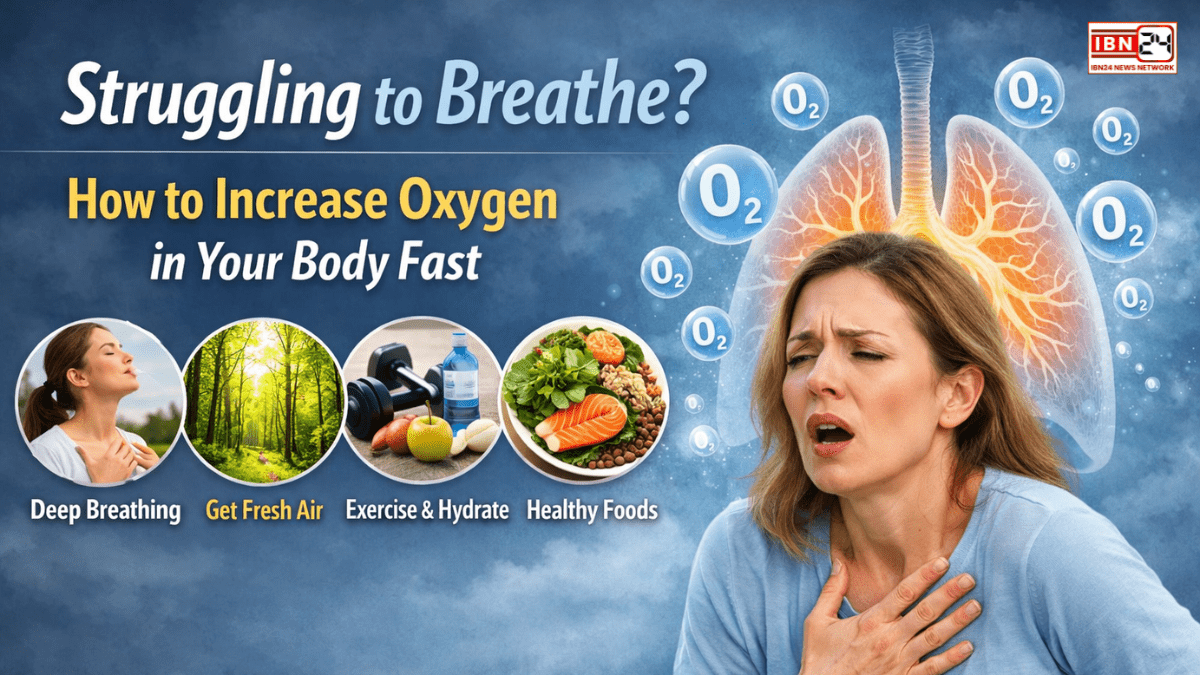
When it becomes hard to breathe, that is when we do not even think about it. This is because a sharp decrease in oxygen levels makes you anxious, tired and even dizzy. Be it the sickness, pollutions, stresses, or other underlying conditions, an adequate oxygen level in your body to survive and be well is a necessity. The fact that the levels of oxygen can be improved and that there are several methods to ensure that one is able to breathe better with the help of quick improvement is good.

Why Oxygen Levels Matter
Oxygen is essential to each and every cell in your body. It powers your brain and muscles and organs leaving them to work right. When oxygen concentration becomes low, your body finds it difficult to even carry out commodity activities. Low oxygen can be characterized by such symptoms as shortness of breath, rapid heartbeat, confusion, headaches, and bluish lips or fingertips.
It is essential to maintain healthy oxygen saturation (irregularly, 95 and 100 percent). When the levels become lower than this point, then it is necessary to implement some measures right away.
1. Practice the Deep Breathing Techniques
Controlled breathing exercises are one of the fastest methods used to boost the level of oxygen. Deep breathing assists in dilating the lungs and enhances the absorption of oxygen.
Try this simple technique:
- Sit or lie down in a comfortable way
- Take a deep breath in using your nose in 4 seconds.
- Hold your breath for 4–5 seconds
- Breath out slowly using the mouth.
Repeat this for a few minutes. Such methods as pursed-lip breathing and diaphragmatic breathing are particularly useful to individuals suffering the loss of breath.
2. Improve Your Posture
The expansion of your lungs directly is influenced by the position you sit in. When you slouch, it narrows your lungs and it minimizes the intake of oxygen.
- Sit up with your shoulders stretched out
- Keep your chest open
- If lying down try elevating your head with some pillows
Proper posture enables your lungs to work more effectively and you are able to breathe better.
3. Get Fresh Air
Fresh air has the wonders of oxygen. Poorly ventilated rooms may occasionally be contaminated or oxygen-depleted, which may result in exhaustion.
- Open windows for better ventilation
- Spend some time in the open air and in a clean environment.
- Do not go to highly polluted or smoked places.
Even taking a little stroll out can make your body take more oxygen and have better breathing.
4. Stay Hydrated
The water is significant in oxygen circulation. Enough water also aids in transporting oxygen more efficiently to your body by your blood.
- Take not less than 7-8 glasses of water per day.
- Adding fluids such as coconut water and herbal teas
The loss of water may cause the thickening of your blood, which makes it difficult to oxygenate it.
5. Use Steam Inhalation
Inhalation of steam may be used to clear airways and increase breathing rate, particularly when it is the congestion that results in low oxygen.
- Turn on boiled water and lift the steam slowly on the breath.
- A few drops of eucalyptus oil may be added in order to have improved results.
The technique assists in clearing the nasal passages and letting oxygen move freely.
6. Eat Oxygen-Rich Foods
Diet is also a contributing factor in maintenance of oxygen. Some foods will aid in the improvement of blood oxygenation and lung efficiency.
Include foods like:
- Green leafy vegetables (spinach, kale)
- Apples, pomegranate, and other citrus fruits.
- Nuts and seeds
- Beetroot is one of the iron-rich foods.
These foods are beneficial to a healthy blood flow and enhances the oxygen carrying capacity of your body.
7. Avoid Smoking and Pollutants
Pollution and smoking have the effect of lowering oxygen levels in the body. They destroy the lung tissues and complicate breathing.
- Do not smoke or use second hand smoke.
- Use masks in polluted areas
- Indoor air should be clean and well ventilated.
Exposure to harmful substances can also be significantly decreased, which would improve the health of the lungs significantly in the long run.
8. Monitor Oxygen Levels
A pulse oximeter at home can promote monitoring of the oxygen levels. The given tiny device checks your blood oxygen saturation in several seconds.
- Normal levels: 95%–100%
- Consulting services in case the levels fall below 92%.
Frequent check ups will make sure that you can take immediate action in case of a drop in levels.
When to Seek Medical Help
These remedies may be useful in mild cases but problems with breathing should never be neglected in severe cases. do not delay or run: get to the doctor be this as it may.
- Causes of persistent shortness of breath
- Chest pain
- Oxygen levels below 90%
- Setting difficulty talking or confusion
This might be indications of a severe health issue that is in need of emergency treatment.
Final Thoughts
It is a scary experience when you stutter to breath but simple adjustments in your lifestyle and fast solutions can help a lot. These various techniques can be used to help increase your oxygen levels without causing fatigue by increasing your oxygen consumption through deep breathing, staying hydrated and updating your present air. But never ignore your body, in case, the symptoms are getting worse or are not going away, then go to some doctor.
Read More: IDBI Bank 2026: 1300 Vacancies Announced- Big Opportunity to Graduates, Last Date March 19.
Youtube: https://youtube.com/@IBN24NewsNetwork?si=ofbILODmUt20-zC3
Instagram: https://www.instagram.com/ibn24newsnetwork
Facebook: https://www.facebook.com/ibn24newsnetwork/
Twitter: https://x.com/IBN24Network?t=K1A8JK8CUwcgllMRYQNPOw&s=08